
Understand the rules.
Discover the possibilities.
From your first hand to the finer details. Find the game you want to understand.

Start with your first hand.
- 01
Meet the poker table
The deck, chips, pot and goal
- 02
Understand blinds and antes
Positions, compulsory bets and heads-up
- 03
Follow a complete Hold’em hand
Pre-flop, flop, turn and river
- 04
Compare the best five cards
Ten hand types, kickers and ties
- 05
Minimum raises: raise to or raise by?
100 → 300: the next minimum is 500
- 06
Betting, all-ins and side pots
An all-in does not contest every chip
- 07
Understand tournament formats
Structures, levels and official rules
Know the rules. Discover the story.
From early riverboat games to today’s worldwide tournaments.
Poker’s origins and evolutionMake sense of every detail.
What is poker? Your first look at the table
Understand poker, Texas Hold’em, hand rankings and formats, then learn about the deck, chips, pot, dealer button and the goal of a hand.
What are the big blind, small blind and ante?
Use a 50/100 chip example to understand blind positions, calls, the big blind’s option, antes and the heads-up exception.
A complete Hold’em hand, step by step
Connect the button, blinds, pre-flop, flop, turn, river and showdown, and learn when a betting round is complete.
Minimum raises: raise to or raise by?
Distinguish totals from increments with a 100 → 300 → 500 example, then understand full raises and short all-ins.
Reading stacks, big blinds and effective stacks
Convert chips to big blinds and distinguish your stack, effective stack and pot using consistent units.
Draws and outs: probability is not a promise
Understand flush draws, open-ended and gutshot straight draws, then distinguish nominal outs from cards that actually win.
Poker’s origins and evolution: from riverboats to a global game
Follow early nineteenth-century poker, the move to 52 cards, the WSOP and online growth, while separating evidence from legend.
How to read a hand history
Read a record through positions, stacks, actions, board cards and results, including folds, uncalled returns and side pots.
Texas Hold’em: from the deal to showdown
Understand two hole cards, five community cards, four betting rounds and how to select the best five-card hand.
Omaha: remember 2 + 3
Four hole cards create more combinations, but the final hand must use exactly two hole cards and three community cards.
Short Deck: new rules for 36 cards
Understand the deck after removing ranks 2 through 5, the role of Aces, and differences between short-deck variants.
Omaha Hi/Lo: splitting the pot high and low
How high and qualifying low hands split the pot, and why the high hand wins it all when no low qualifies.
Seven-Card Stud: upcards and downcards
Understand three downcards, four upcards, the bring-in and choosing the best five of seven cards.
Razz: aim for the lowest five cards
See the Stud structure through lowball rules: Ace is low, while straights and flushes do not count against your hand.
Five-Card Draw: one draw, two betting rounds
Explore a classic game without community cards: standing pat, replacing cards and the final showdown.
2-7 Triple Draw: a different lowball system
Aces are high, straights and flushes count against you. Learn why 7-5-4-3-2 matters.
Badugi: four suits, four ranks
Explore four-card lowball and the difference between a complete Badugi and a three-, two- or one-card hand.
Poker hand rankings and tie-breaks
Complete card faces explain all ten categories, comparison order, ties and common mistakes, with best-five examples for Hold’em and Omaha.
Betting, all-ins and side pots
Understand checks, calls, raises, betting structures and who can win each pot when stacks differ.
How to enter: tournament formats and registration
Understand MTTs, Sit & Gos, blind levels, late registration and re-entry so you can read tournament announcements clearly.
Poker terminology: a quick reference
From hole cards and the button to side pots and kickers, understand the language of the table.
Table etiquette and fair play
Act clearly, take your turn and protect your account so everyone can make their own decisions.
Positions and action order: find the button first
Understand the button, small blind, big blind and UTG, including who acts before and after the flop and the special order heads-up.
Showdowns and ties: compare only the best five cards
Use concrete examples to understand kickers, playing the board, identical straights and split pots without inventing a sixth-card tiebreaker.
Cash games and tournaments: the same cards, different structures
Understand buy-ins, chips, blind levels, elimination, re-entry and when play ends, without confusing the game variant with its format.
Reading Jackpot terms: the conditions behind the amount
Learn what to check in a prize-pool promotion, from qualifying hands and triggers to allocation and settlement.
Ten hand categories at a glance.
Back to the guide directoryCurrent hand: Royal Flush; strength rank 1 of 10.





Royal Flush
ROYAL FLUSH
A, K, Q, J and 10 of one suit. This is the highest straight flush and the strongest hand under standard high-hand rules.
- All five cards must share a suit and have exactly the ranks 10, J, Q, K and A.
- No five-card combination ranks higher under standard high-hand rules.
See a comparison
Separate five-card comparisons, not a single shared deal.

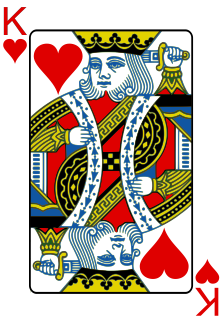
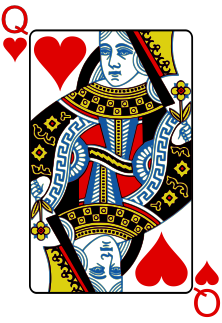
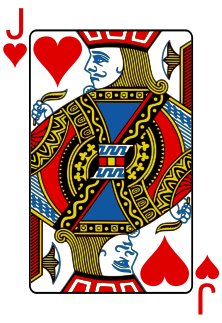

Both hands are ace-high straight flushes. Suits do not rank hands in a standard high-hand showdown, so these hands are equal.
Choose a hand, from strongest to weakest
Royal flushes of different suits have equal strength; spades do not beat hearts. If equally strong hands can legally occur in the same deal and are eligible for the same pot, that pot is split.
A, K, Q, J and 10 in mixed suits form only an ace-high straight. A royal flush is a special case of a straight flush, not a separate dealing method.
These guides explain common poker rules, not a list of games currently offered by the platform. Confirm hand rankings, fees, registration and Jackpot conditions in the platform's and event's official rules.