
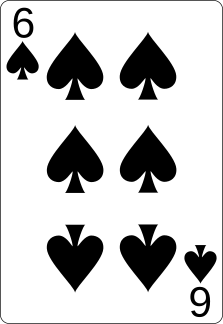
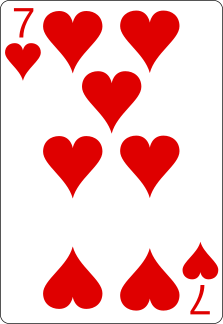
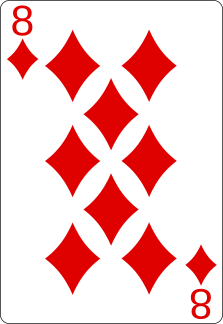
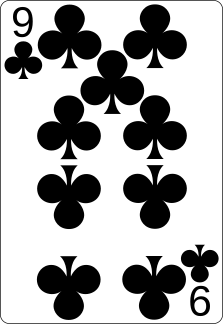
What changes in the deck?
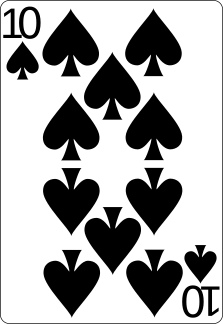
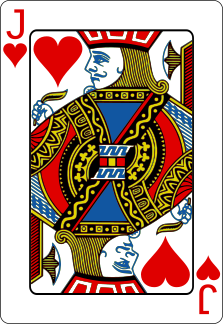
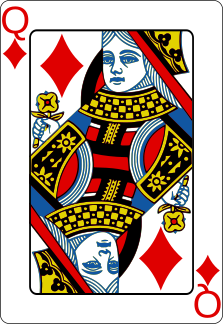
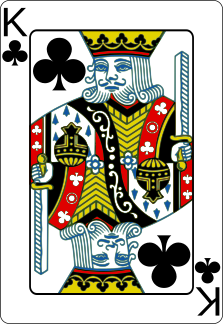
Common short-deck games remove every 2, 3, 4 and 5, leaving four suits of ranks 6 through Ace: 36 cards. Each player receives two hole cards, with a flop, turn and river.
Flushes, full houses and the Ace
In PokerStars' 6+ example, a flush beats a full house and A-6-7-8-9 is a straight. This does not mean every operator uses exactly the same short-deck rules.
Some versions also change the order of trips and straights. Check the full hand-ranking table before joining; do not assume standard Hold’em rankings apply.
Antes and a button blind
Some short-deck tables use an ante from every player and an additional blind from the button. Other structures exist. The first player to act, minimum bet and button movement follow the table's rules.
A quick checklist
Answer these three questions before joining a short-deck table.
- How are flushes versus full houses, and trips versus straights, ranked?
- What is the lowest straight the Ace can form?
- Does the table use two blinds or antes plus a button blind?
Cards use complete, standard faces.Asset sources and licenses(new window)
Rules may vary between platforms, tables and events. This guide explains common rules; available games, eligibility and dispute procedures are determined by the platform's official announcements.
Keep exploring
This guide was independently compiled in Chinese. The following sources let you verify the rules.
PokerStars official game guide(new window)