

First, identify each player's best five-card hand
Under standard high-hand rules, compare the category first: flush, straight, three of a kind and so on. Within the same category, compare ranks in the appropriate order. Do not compare all seven available cards together. A sixth or seventh card cannot break a tie between identical five-card hands.
A pair and its kickers: an example
The board is A♣ 9♦ 7♥ 4♠ 2♣. Player A holds A♦ K♥ and Player B holds A♥ Q♦. Both have a pair of aces. A's five cards are A-A-K-9-7, while B's are A-A-Q-9-7. A wins with the higher king kicker.
With two pair, compare the higher pair, then the lower pair, then the fifth card. With a full house, compare the three of a kind before the pair. Comparing only the highest card in someone's hand is not enough.
When the board supplies the best hand
The board is A♣ K♦ Q♥ J♠ 10♣. A holds 2♦ 2♥ and B holds 9♣ 9♦. Both players' best five cards are the ace-high straight on the board. Neither pocket pair makes a stronger hand, so they split the pot they are both eligible to contest.
That conclusion applies to this specific board. If a flush is possible, or the game requires exactly two hole cards, evaluate the hands again. A straight on the board alone does not always establish a tie.
Suits do not break standard showdown ties
In standard high-hand showdowns, spades do not outrank hearts simply because of their suit. Players with equal best five-card hands split the relevant pot according to the rules.
Resolve the main pot, side pots and indivisible odd chips separately. Each pot is contested only by its eligible players. Odd-chip allocation, showdown order and disputes follow the event's official rules.
Compare the best five cards
See the hole cards and board together.
These examples are complete, legally possible deals. Compare each player's hole cards, the board and the final five to see which cards count.
Hole cardBoard cardEach selected card shows its origin. “Not used” means that hole card is outside the best five.
You have two hole cards, but may use just one.
Hold'em · A complete example using one hole card.

Player's hole cards
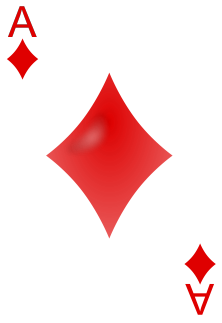
- Not used
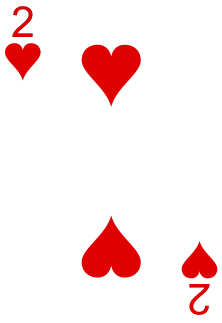
↓ Using 1 hole cards + 4 community cards
- Board card
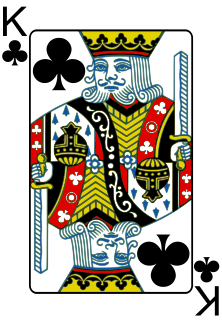
- Board card
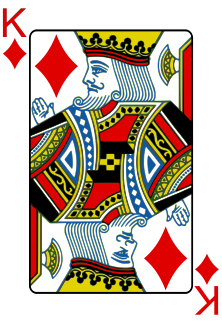
- Hole card
- Board card
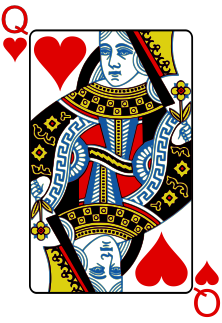
- Board card

Pair of kings · A, Q, J kickers
The best five are a pair of kings with A, Q and J. The hole-card 2 and board 8 are weaker than these kickers and are left out. Hold'em does not require both hole cards to be used together.
Both have a pair of aces. Whose five cards are stronger?
Hold'em · You may use zero, one or two hole cards.


Player A's hole cards
↓ Using 2 hole cards + 3 community cards
- Board card
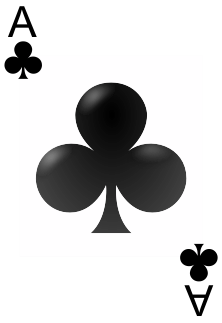
- Hole card
- Hole card
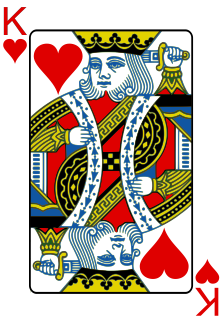
- Board card
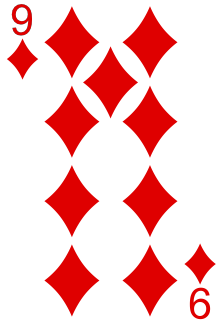
- Board card
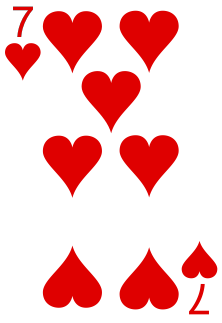
Pair of aces · K, 9, 7 kickers
Player B's hole cards
↓ Using 2 hole cards + 3 community cards
- Board card
- Hole card
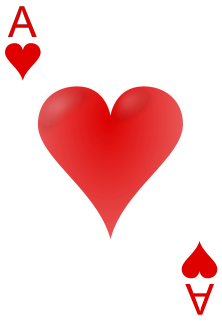
- Hole card
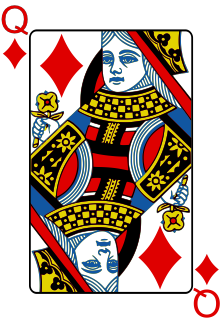
- Board card
- Board card
Pair of aces · Q, 9, 7 kickers
Both players use two hole cards. With equal pairs, compare the unpaired cards in the best five in order. The board's 4 and 2 are not selected and do not enter the comparison.
A pocket pair can still result in a tie.
Hold'em · A complete example using no hole cards.
Player A's hole cards
- Not used
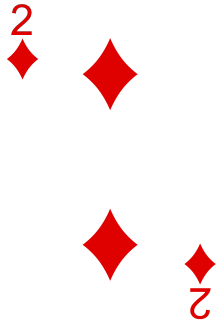
- Not used
↓ Using 0 hole cards + 5 community cards
- Board card
- Board card
- Board card
- Board card
- Board card

Ace-high straight · Playing the board
Player B's hole cards
- Not used

- Not used
↓ Using 0 hole cards + 5 community cards
- Board card
- Board card
- Board card
- Board card
- Board card
Ace-high straight · Playing the board
This board contains all four suits, and neither player can make a flush or stronger hand. Neither player's hole cards enter the best five, so the pocket nines do not beat the pocket twos. Eligible players split the same pot.
· Card details
Five situations that often cause confusion.
From quads on the board to two sets of trips and three pairs. Open an example to see exactly how the best five cards are chosen and compared.
Four of a kind on the board: why can one player still win?
Hold'em · With equal quads, compare the fifth-card kicker.
Player A's hole cards
- Not used
↓ Using 1 hole cards + 4 community cards
- Board card
- Board card
- Board card
- Board card
- Hole card
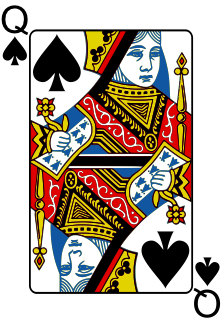
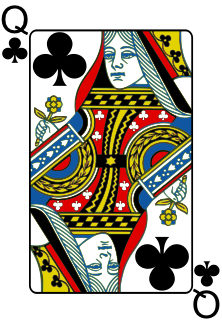
Four queens · Ace kicker
Player B's hole cards
- Not used
↓ Using 1 hole cards + 4 community cards
- Board card
- Board card
- Board card
- Board card
- Hole card
Four queens · King kicker
Four of a kind uses only four cards, so a fifth must still be selected. A replaces the board's 7 with an ace, while B replaces it with a king. Their best five are different. The result is a tie only if the kickers also match.
Different hole cards: why is it still a tie?
Hold'em · The sixth and seventh cards do not count.
Player A's hole cards
- Not used

- Not used
↓ Using 0 hole cards + 5 community cards
- Board card

- Board card
- Board card
- Board card
- Board card

Pair of aces · K, Q, J kickers
Player B's hole cards
- Not used
- Not used
↓ Using 0 hole cards + 5 community cards
- Board card
- Board card
- Board card
- Board card
- Board card
Pair of aces · K, Q, J kickers
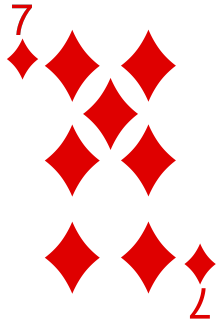
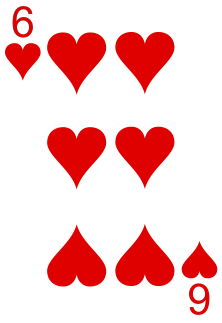
A's 9 is higher than B's 7, but neither enters the best five. The comparison stops after five cards; a sixth hole card cannot decide the result. Here, the board's jack is higher than every hole card held by either player.
Two sets of three among seven cards: how do you make a full house?
Hold'em · Keep the higher three of a kind and take two cards from the lower set.
Player's hole cards
↓ Using 2 hole cards + 3 community cards
- Board card
- Board card
- Board card
- Hole card

- Hole card
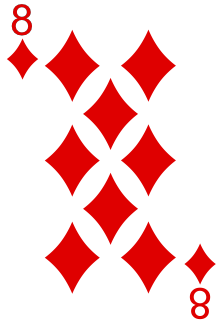
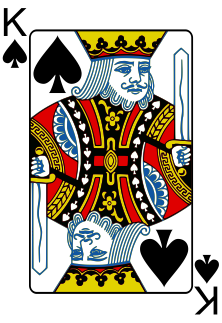
Three kings and a pair of eights
Three kings outrank three eights, so KKK88 beats 888KK. Any two of the three eights are equivalent. This diagram selects the two hole-card eights; the board's eight is omitted for illustration, not because its suit is weaker.
Three pairs among seven cards: which card becomes the kicker?
Hold'em · The final comparison uses five cards. There is no “three pair” category.

Player's hole cards
↓ Using 2 hole cards + 3 community cards
- Hole card
- Hole card
- Board card
- Board card
- Board card
Aces and kings · Queen kicker
The two highest pairs occupy four places, leaving room for only one more card. Both queens are equal; the diagram uses the queen of hearts. The other queen cannot count as a sixth card. If a higher legal single card is also available, compare it before choosing the kicker.
Do more suited cards make a stronger flush?
Hold'em · Even with six or seven suited cards, use only the best five.
Player A's hole cards
- Not used
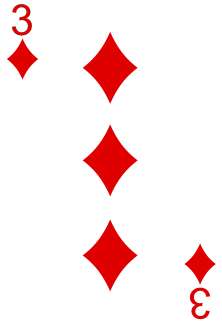
↓ Using 1 hole cards + 4 community cards
- Board card
- Board card
- Hole card
- Board card
- Board card

A, K, Q, 8, 5 flush
Player B's hole cards
↓ Using 2 hole cards + 3 community cards
- Board card
- Board card
- Hole card
- Hole card

- Board card
A, K, J, 10, 8 flush
A has six available spades and B has seven, but the count gives no extra strength. Their A and K match; Q versus J at the third card decides the result, so later cards are not compared. Neither player has five consecutive spades, so neither has a straight flush.
Cards use complete, standard faces.Asset sources and licenses(new window)
Rules may vary between platforms, tables and events. This guide explains common rules; available games, eligibility and dispute procedures are determined by the platform's official announcements.
Keep exploring
This guide was independently compiled in Chinese. The following sources let you verify the rules.
PokerStars hand rankings and ties(new window)